An exhibition on Natural Collections at the Scottish Ornithologist Club, presented by Visual Arts Scotland
Humans have long collected, categorised and depicted the natural world, from the15th century cabinets of curiosities filled with natural wonders, to botanical drawings of flora and fauna. The primary aim of many historic nature collections was to foster a deeper understanding of the natural world through the categorisation of specimens and their data. In the age of discovery they served as valuable research resources; to catalogue, identify and classify new species, study them for research, and preserve them. We are all familiar with the images of butterflies, moths and assorted insects caught and pinned to boards. We may not think of doing this now, but often specimens such as these were key in telling the history of the human desire to understand the natural world. These acts of collection reflect both a reverence for nature and a desire to interpret it.
Artists and makers often look to the natural world for inspiration, for processes, materials, textures and forms, its rhythms and patterns, its vulnerability and its endurance and this exhibition seeks to explore what contemporary nature collections might be, what might they mean, what story might they tell?
This exhibition revisits that impulse through a contemporary lens and aims to celebrate and showcase diverse creative responses, exploring the question of what it means to observe, collect, engage and respond to nature in the present day.
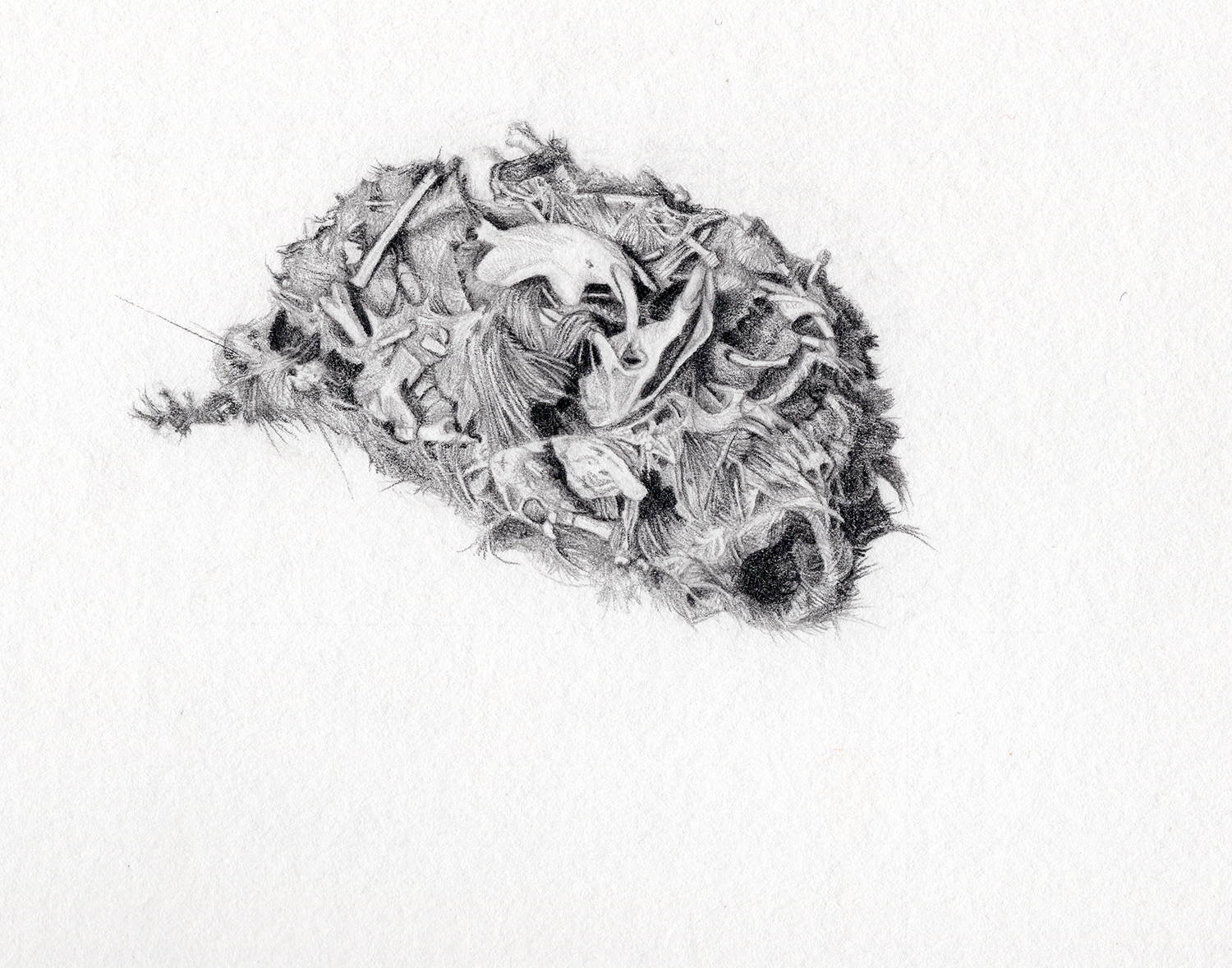
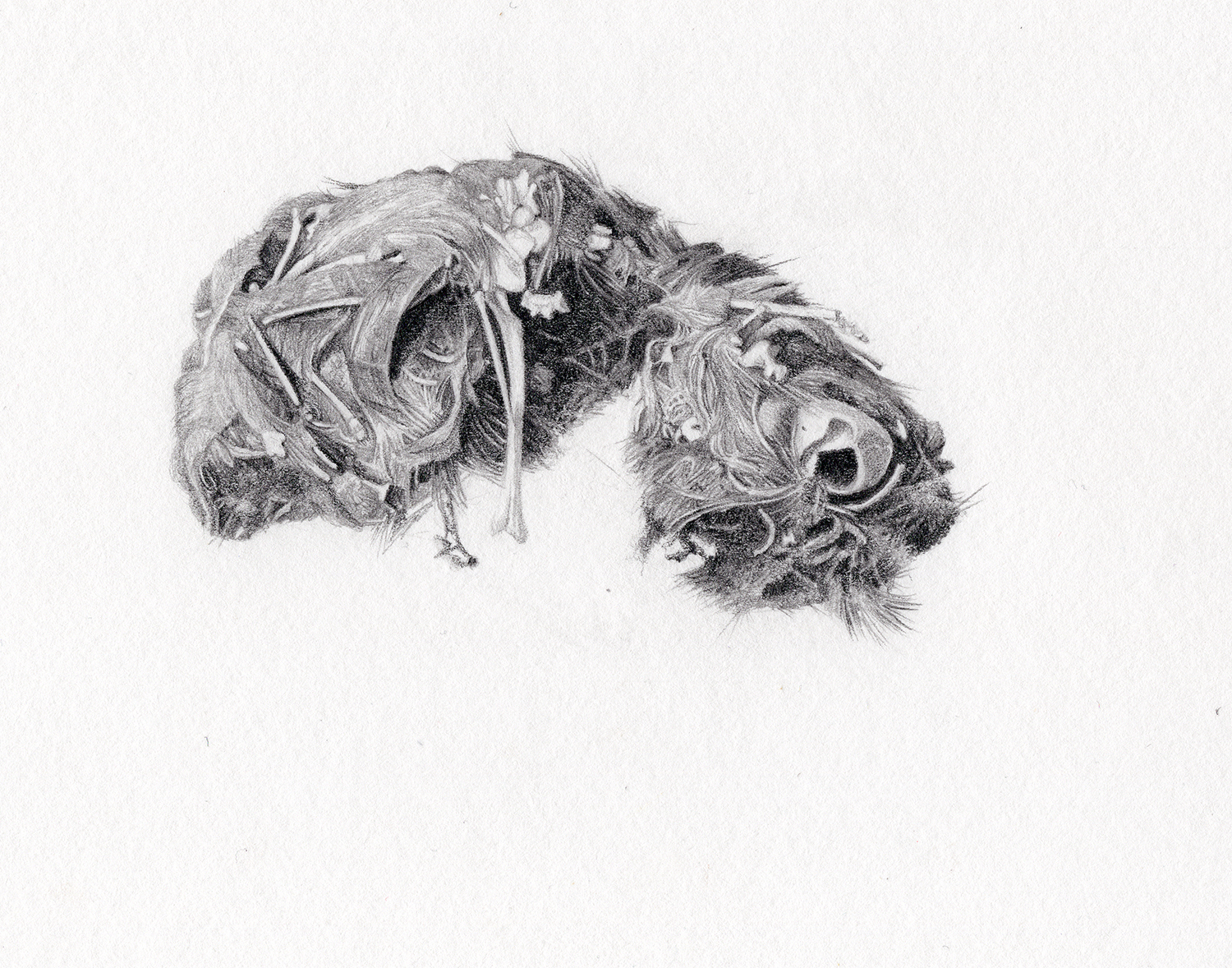
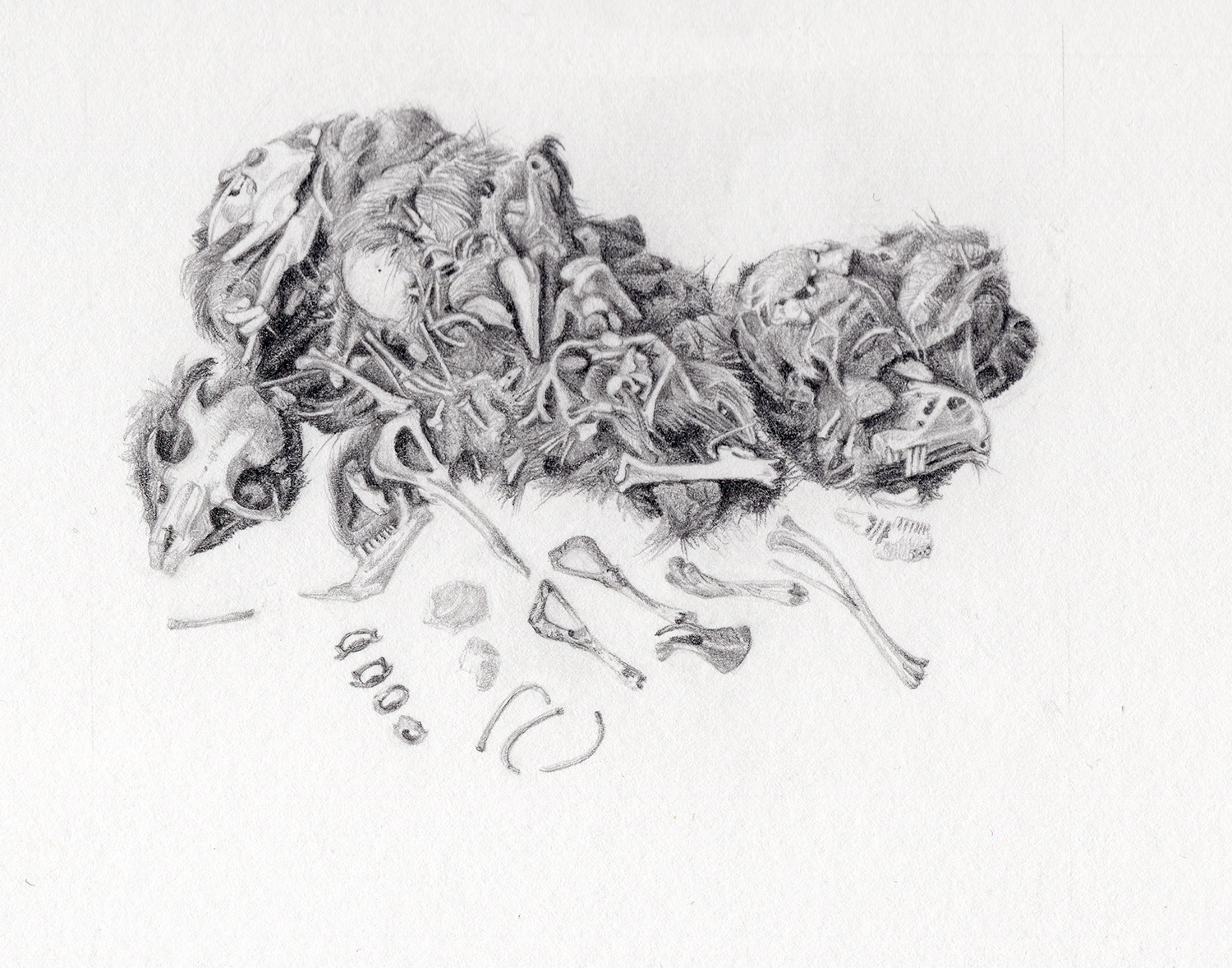
In a departure from the botanical world, I worked on a small collection of owl pellets that I purchased a few years ago. How random is that statement? The explanation, essentially, whilst out looking for botanical specimens in the Pentlands, I found a weathered owl pellet in an old fence post. I took it home to draw it and became entranced with the tiny bones and the matt of fur, as I drew I realised that this was a tiny felted grave.
I got in touch with a collector and bought some collected owl pellets which I then weathered for a year. These pieces are the first from this series, and show the fascinating hunting cycle and diet of Barn owls. I was amazed at the quantity of bones in each pellet. These drawings show the weathering of the pellets; showing some of the animal structures encased in the felted fur, and a progression of pellets being pulled apart to show more of their contents. I have always got my eyes open for delights like these from the natural world.
29 April 2026 – 7 June 2026
Venue: Scottish Ornithologist Club | Presented by Visual Arts Scotland
Waterston house , Aberlady, East Lothian, Edinburgh, United Kingdom EH32 0PY
Opening times: Tuesday-Sunday 10am – 4:30pm
Closed Mondays